
Table of Contents
- 1. How Much Space Does Your Home Have, and How Does That Affect Lift Specifications?
- 2. How Many Floors Will Your Elevator Need to Serve, Two, Three, or More?
- 3. What Weight Capacity Do You Need for Your Household?
- 4. Is the Elevator Wheelchair-Friendly and Accessibility-Compliant?
- 5. What Level of Customization Do You Want?
- 6. What Smart Features Are Available – And Which Ones Do You Need?
- 7. How Disruptive Will Installation Be – And What Does That Mean for Your Specs?
- 8. What Kind of Maintenance Do Different Elevator Types Require?
- 9. What Safety Features Come Built-In With Your Chosen Elevator System?
- 10. How Well Does the Elevator Company Support You After Installation?
- Conclusion: Choose Specs That Work for Your Life, Not Just Your Floorplan
When you invest in a home elevator, you are not just investing in a piece of equipment – you are investing in comfort, convenience, and peace of mind over the long haul. With so many elevator models and technical specifications, there is a lot to take in. What is best for your home? What matters?
This guide will walk you through ten essential questions that will clarify residential elevator specifications. Whether you are upgrading for mobility, planning for aging in place, or just improving the value of your home, these questions will lead you to the right choice – and help you understand a smart, hassle-free installation.
1. How Much Space Does Your Home Have, and How Does That Affect Lift Specifications?
Not all homes provide a blank slate when it comes time to install an elevator. If you have limited space, you may not want a shaft-based solution with pits and machine rooms. That is why it is one of the first elements to think about in the available footprint.
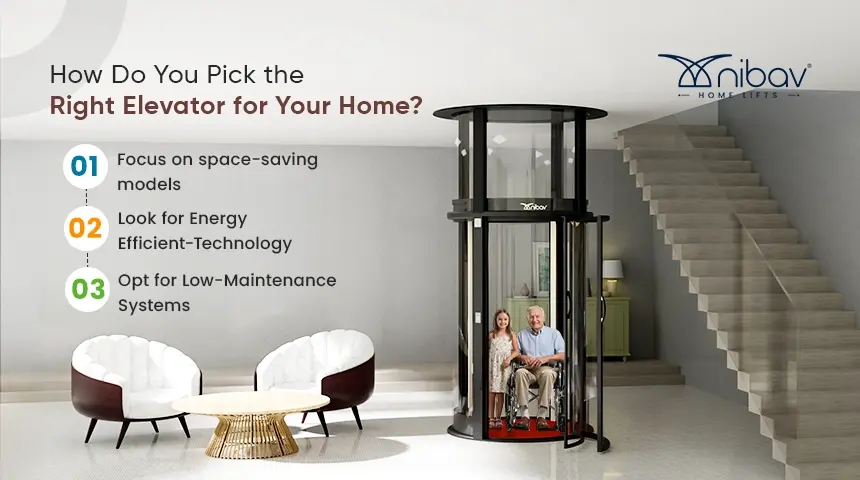
Modern elevator systems today, like pneumatic elevators, require little space and a small change to the structure. They can fit into a corner or plan to be incorporated into a design plan; they are great for retrofitting or new construction plans. Having proposed the compact lift specifications will save you construction and permitting headaches, as they can easily avoid both, and will save you time and money.
2. How Many Floors Will Your Elevator Need to Serve, Two, Three, or More?
The number of floors directly impacts your elevator specs, including travel distance, motor power, and installation complexity. For example:
- Two-story home: The most common setup in U.S. suburbs. A two-stop residential elevator typically starts from $50,600.
- Three-story home: The three-stop residential elevator adds additional engineering and power specs. Costs typically fall around $60,600, depending on features and customizations.
Knowing this upfront helps set your budget and narrows your options to elevators designed for that vertical reach.
3. What Weight Capacity Do You Need for Your Household?
Not all lifts are created equal when it comes to capacity. Your elevator should comfortably support the needs of your household, whether that means transporting groceries, luggage, or multiple family members.
Most high-quality residential elevators start around 400 lbs in capacity. Nibav lifts, for example, support up to 529 lbs, which is ideal for two adults or a person using a wheelchair. More capacity means more functionality, making your elevator more useful day to day.
4. Is the Elevator Wheelchair-Friendly and Accessibility-Compliant?
If accessibility is a priority, you’ll need to dig into the actual cabin dimensions and entryway specs. A truly elder-friendly elevator should have:
- A wide enough entrance for wheelchairs (usually 32–36 inches)
- A spacious cabin to accommodate mobility aids
- Level floor stops to prevent tripping
- Controls are placed within easy reach
These aren’t just “nice-to-have” features – they’re essential components of a well-specified lift designed for aging in place.
5. What Level of Customization Do You Want?
Today’s residential elevators offer more than just utility – they’re becoming part of the home’s visual identity. From transparent panoramic cabins to sleek finishes and LED-lit interiors, design matters.
You’ll want to explore lift specifications that allow for:
- Custom cabin colors and finishes
- Door styles (clear, matte, or stainless)
- Control panel styles
If you care about design continuity, a customizable lift can become an architectural highlight, not just a mobility solution.
6. What Smart Features Are Available – And Which Ones Do You Need?
Smart features in residential elevators have evolved far beyond simple call buttons. Look for lifts that offer:
- One-touch or remote control operation
- Soft-start and soft-stop technology
- Automatic floor leveling
- Emergency descent during power failures
These aren’t just conveniences – they enhance daily usability, especially for seniors. Nibav’s elevators, for instance, only use energy while ascending and automatically return to the ground floor in a power outage, offering both peace of mind and efficiency.
7. How Disruptive Will Installation Be – And What Does That Mean for Your Specs?
Traditional elevator installations often involve weeks of construction, permits, and structural changes. But newer air-driven elevators simplify the entire process.
With modular components and no need for a pit or machine room, pneumatic elevators can often be installed in just 4–5 days, with no drywall dust, no major wiring, and no floor-slab drilling. That’s a game-changer for homeowners who want speed and simplicity.
8. What Kind of Maintenance Do Different Elevator Types Require?
Ongoing maintenance is a hidden cost many homeowners forget to factor into elevator specs. Mechanical lifts often require monthly servicing, oiling, and part replacements.
In contrast, pneumatic elevators require less maintenance due to fewer moving parts. No oils, pulleys, or cables means fewer breakdowns and longer intervals between checkups. If you want long-term reliability with minimal hassle, low-maintenance specs are a must.
9. What Safety Features Come Built-In With Your Chosen Elevator System?
A well-specified elevator is a safe elevator. Must-have safety features include:
- Emergency stop button
- Alarm system
- Interlocks that prevent movement when doors are open
- Automatic descent during power failure
Smart design isn’t just about tech – it’s about security. Look for models that offer built-in redundancies to prevent accidents and ensure users (especially elderly family members) can use the lift worry-free.
10. How Well Does the Elevator Company Support You After Installation?
Specifications don’t mean much if support falls short. Choosing a vendor with reliable service, fast part replacements, and trained technicians can make all the difference.
With Nibav USA, for example, homeowners benefit from:
- U.S.-based support centers
- Transparent warranties
- Fast, localized service
- Remote diagnostic capabilities for quicker fixes
A good elevator spec sheet should come with a great team behind it. Make sure your vendor stands by their product.
Conclusion: Choose Specs That Work for Your Life, Not Just Your Floorplan
Choosing the right residential elevator isn’t about picking the most high-tech or expensive option—it’s about making smart, informed decisions based on your home, your needs, and your future.
By asking these ten questions, you’ll gain clarity on what matters: a lift that fits your space, works for your lifestyle, and supports you for years to come. Ready to get personalized advice? Contact Nibav USA today for a free consultation and explore elevator technical specifications tailored to your home.
Get in touch with our home elevator experts now and experience your home with a whole new level of luxury and comfort.
Talk to Our Experts
Jerome Giddens
I’ve been researching home elevators for my parents’ house, and this post cleared up so many doubts. The tips about accessibility and maintenance are gold. I also appreciated the cost examples—it gave me a clear idea of what to expect for two versus three floors. Great post, very insightful!
Recardo Sibley
This blog nailed exactly what I was searching for. The ten questions make it easy to navigate different specs without getting overwhelmed. I never realized pneumatic elevators could be this low-maintenance and eco-friendly. Definitely convinced me to consider these options more seriously.
Fred Leaf
I’m glad I stumbled on this blog before making a purchase decision! Understanding elevator space, capacity, and installation needs helped me set realistic expectations. The section about smart safety features like automatic descent was particularly reassuring. Excellent and well-written guide
Christina Marie Hassler
This post gave me a solid understanding of what to prioritize when choosing a residential elevator. The way it blends technical and lifestyle factors really makes sense. Loved learning about low-maintenance pneumatic models and customization options—feels like future-ready living!
Miguel Guadalupe
Such a comprehensive and easy-to-read guide! The structured questions approach helped me evaluate what I truly need, not just what looks fancy. I especially liked the clarity about capacity and installation times. A great resource for anyone exploring residential elevators in the U.S.